Solar energy is gaining traction in Nigeria as businesses and households seek reliable, cost‑effective alternatives to an inconsistent national grid. Yet several persistent myths about solar deter many from switching.
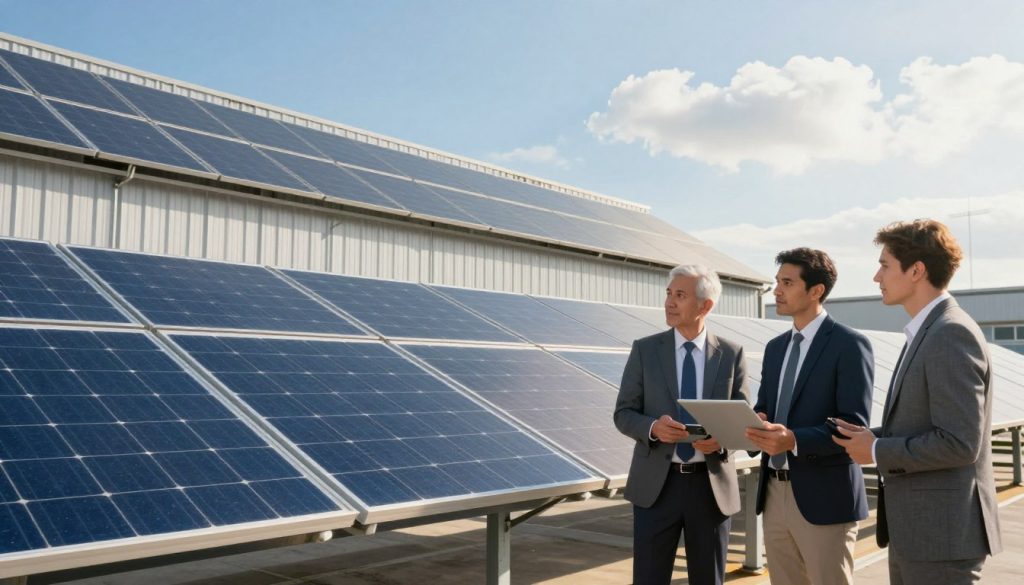
This article will debunk common solar myths and set out the clear benefits of adopting solar for businesses and homes in Nigeria. It also explains how simple feasibility checks and basic ROI estimates can show whether a solar system is right for you.
Key Takeaways
- Clear evidence‑based answers to common solar myths.
- Practical benefits of solar for Nigerian homes and businesses.
- How hybrid solar systems improve reliability year‑round.
- What to expect on costs, maintenance and lifespan.
- Next steps to assess solar savings for your property.
The Current State of Solar Energy in Nigeria
With frequent outages and an under‑performing national grid, Nigeria’s energy supply is often unreliable and that is driving businesses and homes to seek alternatives. Solar offers a practical, decentralised option that can be deployed quickly where it is needed.
Nigeria’s Energy Challenges and the Solar Opportunity
Nigeria faces persistent energy challenges: load‑shedding, voltage instability and high diesel generator costs. Those issues create a clear opportunity for solar energy. The country receives strong sunlight across most regions for much of the year, making solar a viable on‑site power source for many locations. Businesses and homeowners are therefore increasingly installing solar systems to reduce dependence on the grid and improve resilience.
Why Businesses and Homeowners Are Turning to Alternative Power Sources
Owners choose solar to cut running costs, avoid fuel spend for generators and secure a more predictable power supply. Hybrid solar solutions combining solar panels with batteries, inverters and, where needed, the grid or a generator are growing in popularity because they deliver reliable, year‑round power and help manage peak demand.
Myth 1: Solar Energy Systems Are Too Expensive for Nigerian Businesses and Homes
Many assume solar systems are prohibitively costly for Nigerian homes and businesses. While the upfront cost can be significant, it should be weighed against long‑term savings, reduced fuel spend and the predictable returns a properly sized system delivers.
The Truth About Initial Investment Costs
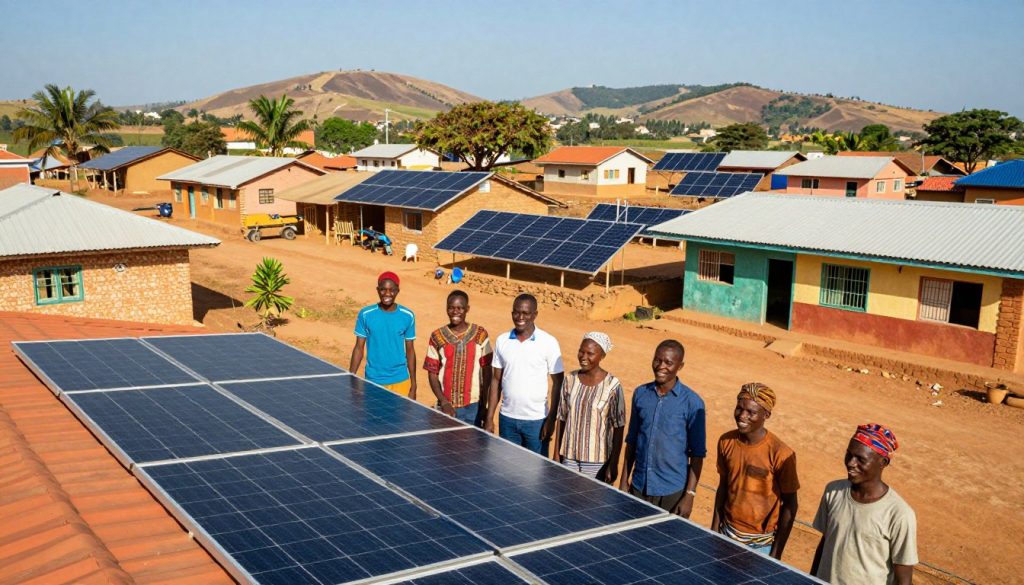
Installation costs vary with system size, panel quality and roof or ground‑mount complexity. Recent global and regional trends show panel prices have fallen over the past decade; locally, total installed costs have become more competitive as suppliers scale. Financing options and phased installations can also reduce the immediate cash outlay, making solar viable for more homes and businesses in Nigeria.
Long-Term Financial Benefits and ROI Analysis
A well‑designed solar system typically pays back within a few years and then delivers ongoing savings. Lower electricity bills, avoided generator fuel costs and potential increases in property value all contribute to return on investment. For many Nigerian SMEs, switching from diesel‑heavy generation to solar can cut energy costs substantially over time.
Key business benefits:
- Reduced operational costs; lower monthly energy and fuel spend.
- Greater energy independence; fewer disruptions from grid outages.
- Improved brand reputation; sustainability as a commercial advantage.
Case Study: How a Lagos SME Reduced Energy Costs by 60%
An anonymised Lagos SME that replaced most generator hours with a hybrid solar system reported a c.60% fall in energy expenditure after installation. The saving came from reduced diesel purchases, lower electricity bills and minimal maintenance demonstrating how the right system and behaviour changes can deliver strong solar power benefits in Nigeria.
To assess whether solar is affordable for your site, request a simple feasibility and ROI check that compares current annual energy spend with projected solar generation and payback period for a tailored system and installation plan.
Myth 2: Solar Power Is Unreliable During Nigeria’s Rainy Season
Many believe solar panels stop working in Nigeria’s rainy season. In reality, modern solar systems continue to produce useful electricity in cloudy conditions, and system design (panels, inverters and batteries) determines year‑round reliability.
How Modern Solar Systems Perform in Different Weather Conditions
Contemporary solar panels generate power from diffuse light as well as direct sun. Efficiency falls on overcast days but often remains substantial — panels typically produce a useful proportion of their rated output even when the sky is grey. Good system design focuses on predictable daily generation rather than only peak sunshine hours.
Typical performance ranges in varying weather:
| Weather Condition | Typical Panel Output | Practical Energy Result |
| Direct Sunlight | ~100% | Maximum generation |
| Cloudy Day | ~70–90% | Significant generation |
| Heavy Cloud Cover | ~50–70% | Moderate generation |
Hybrid Solar Solutions for Year-Round Reliability
Hybrid solar solutions — solar panels paired with batteries and an intelligently sized inverter, and optionally a grid or generator tie‑in — are becoming the standard for reliable supply. Batteries store excess energy during sunny periods and discharge during low‑sun days, ensuring critical appliances keep running and smoothing supply through weather changes.
“Hybrid solar systems offer the best of both worlds, providing clean energy when available and switching to alternative sources during periods of low sunlight.”
Real-Life Example: Residential Solar Performance in Port Harcourt’s Rainy Season
A Port Harcourt home with high‑efficiency panels and a modest battery bank maintained essential loads through the rainy months, reducing generator hours and stabilising household electricity. Typical domestic battery sizes for this kind of resilience range from a few kilowatt‑hours (kWh) for basic backup to 10–20 kWh for multi‑day support, depending on needs.
Myth 3: Solar Energy in Nigeria Cannot Support Heavy Business Operations
Some believe solar cannot power manufacturing plants or large commercial sites. In practice, commercial‑scale solar systems are routinely sized and configured to meet heavy loads — the key is proper system design, space planning and integration with existing power infrastructure.
Commercial-Scale Solar Installations: Capabilities and Limitations
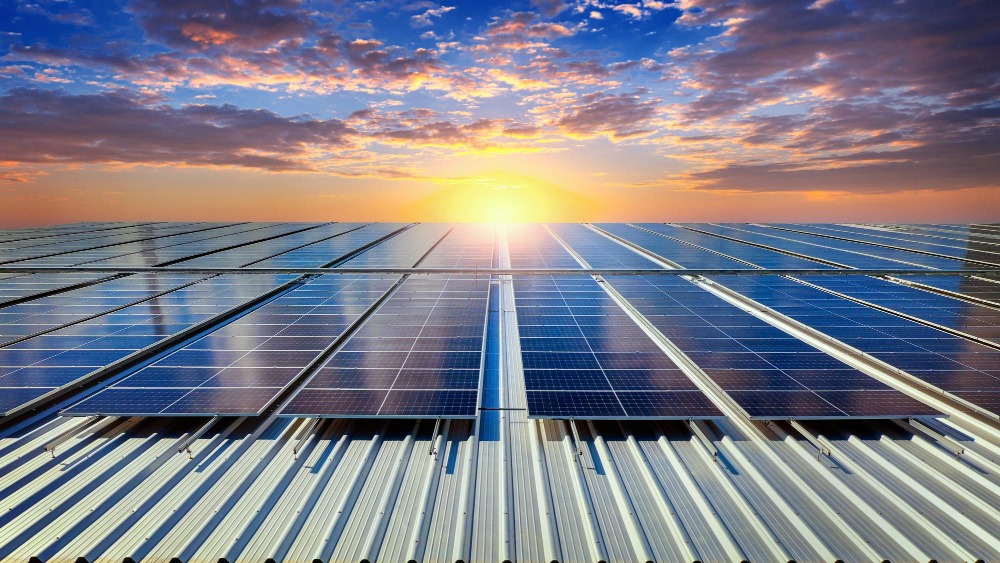
Large solar systems combine many solar panels with appropriately sized inverters, switchgear and, where required, battery banks. A grid‑tied commercial system can feed daytime production loads directly from panels, while off‑grid or hybrid systems rely on batteries and generator backup for continuity. Constraints include available roof or ground area, peak demand profile and the efficiency of on‑site appliances; these should be assessed during site surveys.
Commercial-Scale Solar Installations
Scaling Solar Solutions for Growing Business Needs
Scalability is a major advantage of solar. Start with a load assessment to determine present and projected needs, then design a modular system that can expand — add more panels, larger inverters or extra battery capacity as demand grows. Implementing energy‑efficient measures for appliances and processes will lower required system size and improve ROI.
- Assess current and projected energy needs with a load study.
- Design modular systems that allow phased installation and expansion.
- Incorporate inverters and battery sizing to match peak appliance demands.
With careful planning and the right installation partner, solar solutions can meet the power needs of many Nigerian businesses today and scale to support future growth.
Myth 4: Solar Systems Require Extensive Maintenance in Nigerian Conditions
Solar systems are often thought to be high‑maintenance, but in truth they are built for durability and generally need only routine care. For homes and businesses in Nigeria, a modest maintenance programme keeps systems efficient and protects your investment.
Actual Maintenance Requirements and Costs
Typical maintenance tasks are straightforward: visual inspections, occasional cleaning of the solar panels to remove dust or bird droppings, and periodic checks of inverter and battery status. Many owners arrange a professional inspection once or twice a year; simple cleaning can often be done every 6–12 months depending on local dust and rainfall. Annual maintenance costs are usually small compared with ongoing generator fuel spend or grid bills.
Lifespan of Quality Solar Equipment in Nigerian Climate
Quality solar panels commonly carry performance warranties of around 25 years, and many panels continue producing electricity beyond that with gradually reduced output. Inverters and batteries have shorter service lives (typically 5–15 years depending on technology and usage), so factor replacement timing into your financial plan to maximise long‑term savings.
Preventative Maintenance Tips for Optimal Performance
Simple, safe steps will prolong system life and efficiency:
- Cleaning: wash panels gently with water and a soft brush every 6–12 months (more often in dusty locations).
- Inspections: check for loose mounts, shading and debris quarterly; have a technician test the inverter annually.
- Batteries: monitor state of charge and temperature; follow manufacturer guidelines to avoid voiding warranties.
- Professional service: schedule an annual check that includes performance logging to spot degradation early.
Understanding these modest upkeep needs helps dispel the myth of burdensome maintenance. With basic cleaning, routine checks and a sensible replacement plan for inverters and batteries, solar systems deliver reliable, efficient energy for many years.
Myth 5: Solar Technology Is Still Experimental and Not Proven in Nigeria
Despite growing adoption, some still treat solar as experimental. The truth is that solar technology is mature, widely deployed across West Africa and increasingly proven in Nigerian homes and businesses when correctly specified and installed.
The Evolution of Solar Energy Technology in West Africa
Over the last decade, improvements in panel efficiency, inverter intelligence and battery technology have made solar systems more reliable and cost‑effective. Neighbouring countries such as Ghana and Senegal have implemented large‑scale and distributed solar projects, providing working models that Nigeria can emulate. Industry experts frequently note that technological progress, combined with falling component prices, makes solar a sound investment.
Quality Standards and Certifications to Look For
To ensure longevity and performance, choose equipment with recognised certifications (for example IEC or UL for panels and inverters) and clear warranty terms. Verify supplier credentials and ask for performance test data. Investing in certified components and an experienced installer protects your investment and improves system lifespan, giving confidence to businesses and homeowners considering solar for the future.
Conclusion
At RPE, we’ve helped hundreds of Nigerian businesses transform their energy performance. Our experts design practical business energy efficiency solutions that fit your goals and budget.
Ready to take control of your power costs?
Talk to our energy experts today for a free assessment and discover how to turn wasted energy into lasting savings. Email sales@rpeltd.com to get started.
Follow Royal Power and Energy Limited on Social Media
LinkedIn | https://www.linkedin.com/company/rpeltd/
Instagram | https://www.instagram.com/royalpowergroup